
It is probably no surprise to anyone that worldwide mobile device usage has grown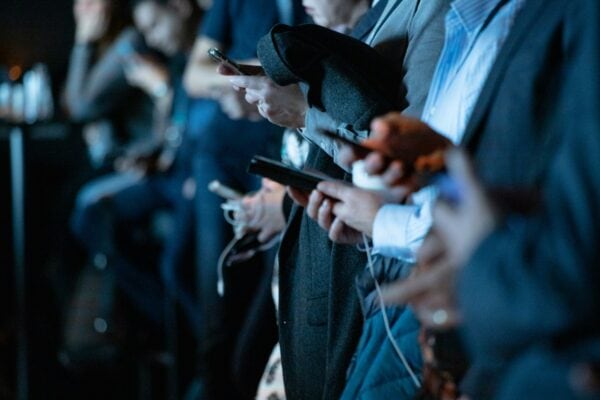 to the point that mobile devices now account for more internet traffic than desktop computers (56% to 44%). Driving this trend is Asia (64% mobile), Africa (65% mobile) and India (72% mobile), but interestingly, desktop is still winning in North and South America (53% desktop) and Europe.
The overall rise of mobile started about 15+ years ago when mobile had a small but noticeable 5% market share in 2011, which grew to 34% in 2015 and then overtook desktop in late 2016.
Anyone with children, me included, has no doubt this trend will continue. Gen Z and Gen Alpha kids seem to disdain sitting at a desktop computer, and their phones are never out of their hands.
What are the numbers?
- Of the 8.3 billion people in the world, almost 6 billion of them have a mobile phone.
- Globally, 56% of internet traffic is from mobile devices
- If you ask people how they get online, 96% will mention a mobile device and only 60% will mention a desktop/laptop computer.
- 78% of traffic to retail ecommerce sites and 82% of traffic to health & beauty ecommerce sites come from mobile.
- 66% of global internet users play video games on their smartphones compared to 36% on their desktop or laptop.
- 79% of adults 18-34 watch video content weekly on their smartphones compared to 37% on their desktop or laptop.
- 78% of Reddit traffic, 76% of Wikipedia traffic and 70% of YouTube traffic is from mobile. Curiously only about 50% of Facebook traffic is from mobile.
- 97% of Americans age 18 – 29 own a smartphone.
- In 2025, each smartphone used an average of 21.24 GB of data. That’s over 100 Exabytes (1 x 1020 bytes) of worldwide mobile data usage in 2025.
And in case you’re interested, Apple is the #1 device manufacturer, responsible for 23% of the mobile phones out there, followed by Samsung at 16% and Xiaomi at 13%.
Why are mobile devices taking over?
- Smartphone Ubiquity. Almost every kid has a smartphone, usually from a young age, and as they grow up the convenience of using a smartphone is taken for granted. They often don’t have the desktop experience for comparison so they have normalized using a small screen.
- Spontaneity & Portability. You can’t spontaneously buy that shirt or those tickets on your desktop unless you’re at home. But you always have your phone with you.
- Dedicated apps. Apps are built to appeal to mobile users and they provide a convenient means to do just about anything including shopping, using social media, ordering food, shining a flashlight, getting GPS coordinates, locating an address, communicating with friends, listening to music, checking the weather, operating smart home devices, sending money, borrowing and reading e-books, playing Wordle, etc, etc.
- Continuous Connection. Everyone uses their smartphones every day no matter where they are – their smartphone is constantly connected. Your desktop or laptop needs that wifi signal.
Should we ditch the desktop dinosaur completely?
No. Mobile is popular but not perfect. Desktops still have some advantages.
- Less Distracting. Mobile phones present more distractions to the user. A study by RSS.com, sourced via research.com says that American employees average 3 hours, 6 minutes of their workday on non-work related activities. On things like scrolling social media, messaging, listening to podcasts, streaming videos, playing mobile games and shopping online.
- Larger Screen. Even if the newer generation is OK with it, the small screen on mobile devices is a limiting factor. Many office productivity tasks benefit from one or more large screens and full size keyboards. Try managing a large dataset on a mobile device.
- More power. Complex and difficult tasks that require significant computing power or extensive multitasking are best done on desktop. Consider things like programming, using CAD tools, data analysis, word processing, ERP processes such as accounting & marketing – such enterprise functions are optimized for desktop.
OK, So What?
This is a blog for a software testing company. What does all this have to do with software testing? Well, in so much as software testing is part of the software development industry, it’s important to know who our audience is. It helps to know where to put the development and testing dollars, not to mention the marketing dollars. Mostly, though, I like tech stats and wanted to share. And it gave me an excuse to reminisce about watching TV on a “large” 17-inch black and white CRT screen. Seemed pretty cool at the time, and no mobile phones in sight. I didn’t know what I was missing.
AI content: 0%
Statistics courtesy of Statcounter, https://gs.statcounter.com, Digital Silk, https://digitalsilk.com, Research.com, https://research.com/ and Statista, https://statista.com
Image courtesy of camilo jimenez on Unsplash